How the US-Israeli war on Iran is making the world more multipolar
“Everything under heaven is in utter chaos; the situation is excellent,” the Chinese paramount leader Mao Zedong once said, underscoring how every major crisis presents unprecedented opportunities for favorable change. The ongoing conflict in the Persian Gulf, now entering its second month, represents the most globally cataclysmic quagmire in recent history. In response to the joint US-Israeli attack, following yet another rounds of doomed negotiations over Tehran’s nuclear and missile program, Iran rapidly and horizontally escalated the conflict.
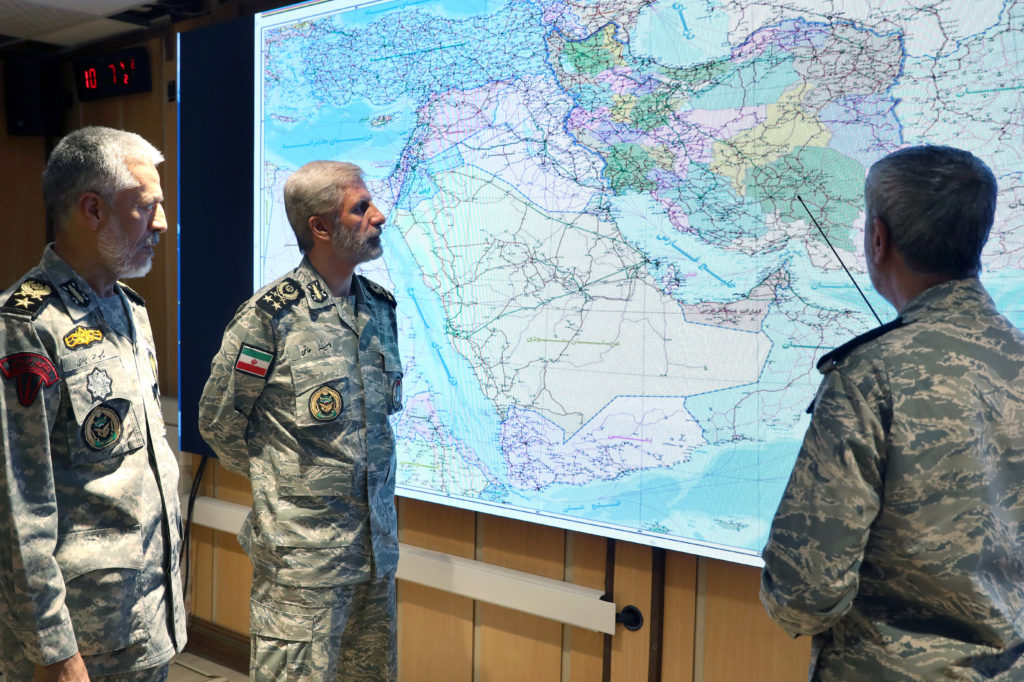
The upshot is the de facto shutdown of the Strait of Hormuz, arguably the world’s most critical chokepoint, as well as a devastating cycle of retaliations that has heavily damaged the energy infrastructure in the entire Persian region. The adverse effect on energy, food, and critical minerals markets is compounding by the day – raising the prospect of a global recession and years-long economic slowdown. Rising fuel and fertilizer costs could push an additional 45 million people into acute hunger in the near future, while the shortage of Helium – primarily produced by Qatar – is upending global semiconductor production.
Given the Gulf nations’ centrality as a source of financing for venture capital in America and host of massive data centers, the ongoing disruption could eventually cause an Artificial Intelligence bubble burst with catastrophic economic impact. No less than European Central Bank President Christine Lagarde, who formerly led the International Monetary Fund, has warned that markets are “overly optimistic” by not taking into account factors “beyond what we can imagine at the moment” but with long-term consequences.
Read also: The Gulf monarchies in the trap of regional instability
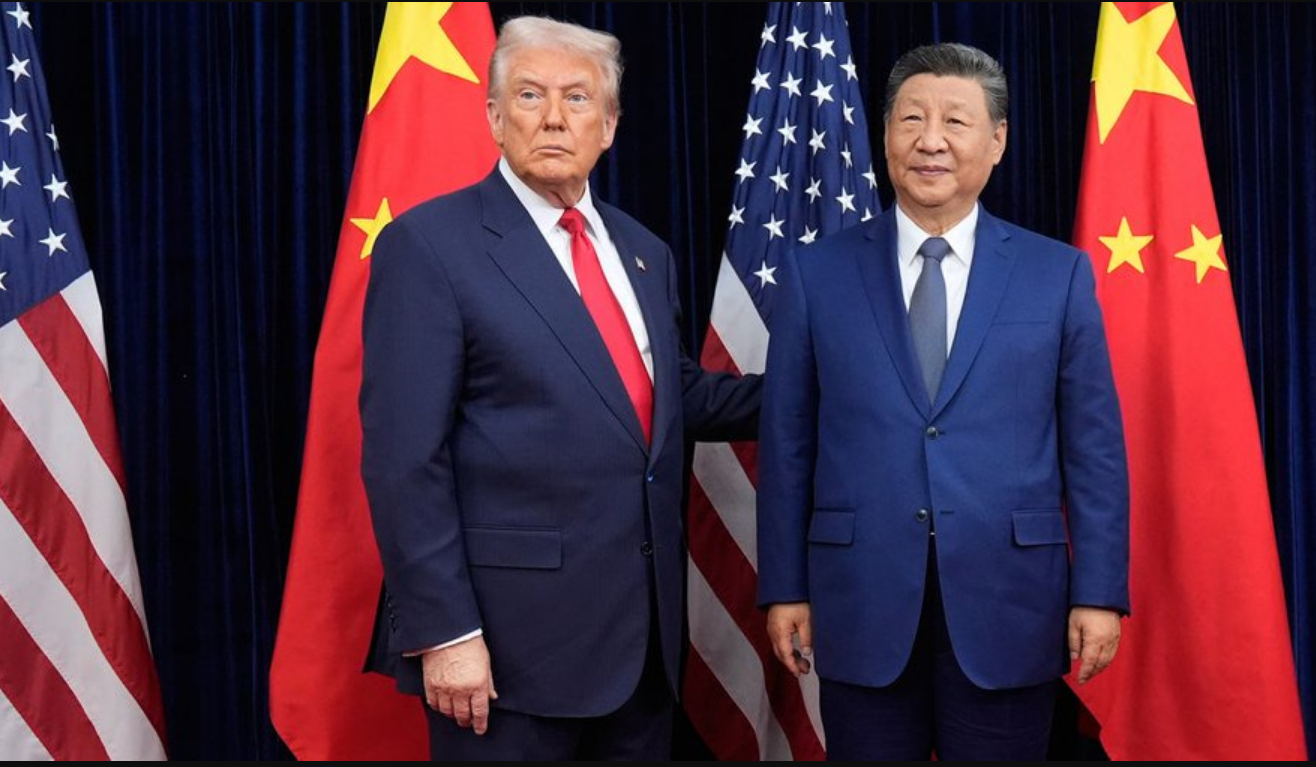
The pandemonium has also severely undermined America’s global leadership stature and, crucially, aura of military invincibility. Failing to provide either a clear justification or an endgame, the Trump administration has enraged nations across the world, especially frontline allies who are hammered by rising commodity costs and increased geopolitical uncertainty. In contrast, the ongoing conflict provides rising powers such as China a historic opportunity: Beijing now has a better chance to cement its position as a more benign and constructive superpower. Enjoying warm ties with Iran, boasting a massive energy reserve, and rapidly building up its ‘green’ manufacturing base, China is comparatively unscathed by the current crisis and, crucially, well-positioned to exploit America’s weaknesses.
À la carte multipolarity
One of the most bizarre aspects of the ongoing conflict is the defeating silence of the BRICS organization. This is quite noteworthy since not only has the BRICS grouping positioned itself as an alternative pillar of global leadership but, even more crucially, it also counts Iran as a full member state. This reflects long-simmering divisions within the grouping, which has doomed its self-projection as a supposed viable alternative to the G7.
While Russia, China, Brazil and South Africa have condemned the US-Israeli assault on Iran, which killed top leaders in Tehran and is increasingly targeting civilian infrastructure, other members (most notably the United Arab Emirates) have been at the receiving end of Iran’s retaliatory attacks. Despite their potential sympathy for Iran, leaders in Egypt, Ethiopia and Indonesia, meanwhile, are eager to maintain productive relations with Gulf Arab countries and America. Perhaps most decisively, the BRICS’ current chair, India, has sought to maintain positive ties with Tehran, Tel Aviv and Washington simultaneously. Accordingly, the Modi administration has come under heavy criticism, including by major voices at home, for adopting an unprincipled multi-alignment posture that has presence everywhere without meaningful leverage.
Read also:
Iran, illusioni ed equivoci di una guerra affrettata
“India’s foreign policy is Prime Minister Narendra Modi’s personal policy and is being considered as a universal joke,” declared Congress’s Party Leader Rahul Gandhi amid escalating domestic criticism of Delhi’s seemingly confused positioning on the conflict. Given India’s deep reliance on remittances, energy resources and investments from the Persian Gulf region, the country’s long-term economic prospects are now in peril.
Close to half of India’s crude oil imports transit through the Strait of Hormuz, which is now under de facto control of Tehran. Modi’s strategic flirtation with Israel – including his historic speech at the Knesset shortly before the conflict, and America’s sinking of an Iranian naval vessel returning from exercises from India not long after – have created fissures in otherwise historically warm Iran-India ties.
As a biofuel superpower, Brazil is in a relatively strong position to weather the current energy shock. The Lula administration has also doubled down on the country’s defense buildup, most recently unveiling the country’s first domestically-produced F-39E Gripen fighter jet.
“In South America, we present ourselves as a region of peace. No one has a nuclear bomb, no one has an atomic bomb. So we think of defense as deterrence,” the Brazilian leader has declared in defense of his more proactive defense policy. Following America’s recent military operations against Venezuela, and growing tensions between the Trump administration and the South African government over Israel and immigration issues, the Brazilian leader has called for stronger military cooperation between the two founding BRICS members.
“I don’t know if comrade Ramaphosa realizes that if we don’t prepare ourselves in terms of defense, one day someone will invade us,” Lula counselled his South African counterpart Cyril Ramaphosa amid shared concerns over America’s military aggressiveness. “We need to combine our potential and see what we can produce together, build together. We don’t need to keep buying from foreign arms suppliers.”
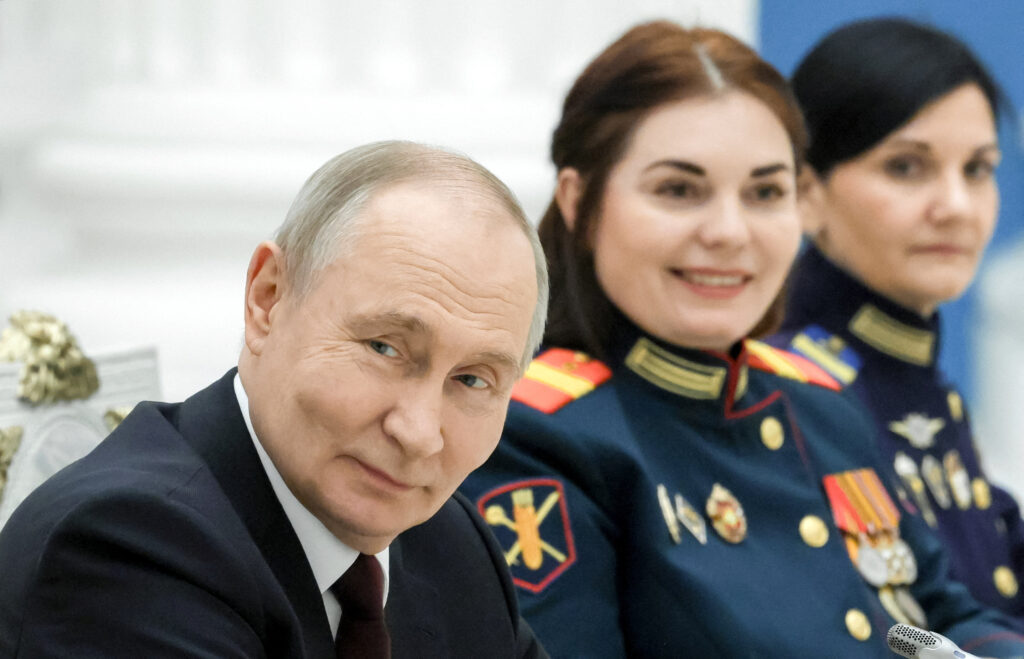
On its part, Russia is benefiting from an oil profit windfall as well as ramped up sales of weapons to Iran, which has been relying on Moscow’s intelligence for effective targeting of US bases across the region.
A New Suez Moment?
The current quagmire in the Middle East has both undermined the mystique of American military prowess as well as its standing among major Global South nations. A recent authoritative survey – polling respondents from nations such as Egypt, Kenya, Nigeria, Pakistan, Saudi Arabia, and South Africa – found that Israel (38%) and the United States (29%) are held most responsible, while as many as 43% sympathize with Iran. In Pakistan, a vast majority (82%) are rooting for Tehran’s victory. Crucially, only 18% saw the US as promoting regional stability through its recent actions, a far lower number than China’s (29%).
The ongoing war could prove more devastating to America’s global position in more concrete ways, however. To begin with, the US has rapidly exhausted its stockpile of strategic missiles and high-end interceptors without achieving any lasting impact on Iran’s ability to fire back with waves of missiles and drones in the past month. The burnout pace has been s
Even worse, China happens to systematically dominate the global supply chains of critical minerals, which would be vital for replenishing America’s weapons stockpile. This places China in an enviable position of directly dictating, if not weaponizing, the trajectory of the West’s post-war defense recovery. While key US allies in Asia and Europe are grappling with massive energy shocks, China is doubling down on its Electric Vehicle (EV) exports, renewable energy diversification, and even ‘de-dollarization’ of energy markets, thanks to Iran’s preferential treatment of Chinese and renminbi-based oil cargoes passing through the Strait of Hormuz.
More troublingly, China is now treating the Persian Gulf War as a real-time laboratory for tactical and operational military lessons against US allies in Asia. Iran’s success if degrading US military presence across the region by deploying hybrid warfare and ‘saturation strategy’— relying on mass produced cheap drones ($4,000-$7,000) and advanced missiles to overwhelm high-end Western defense systems – could prove extremely helpful for finetuning the PLA’s own defense strategy in an event of war in Asia.
Since Iran is most likely relying on Chinese software and tracking-targeting apps, Beijing has a direct access to all relevant operational successes of Iran and loopholes in Western weapons systems. Far from weakening China by targeting a key Middle Eastern partner, the US is ineluctably paving the way for a new, messy world order, which is more multipolar with China as a core pillar.