Rebuilding Venezuela’s oil industry: Economic, political, and social challenges
Venezuela is not simply an oil economy, an export enclave of oil disconnected from the rest of the country (a country of almost 30 million people, with approximately the territorial size of France and Germany combined). Since 1943, when Venezuela was already the world’s largest exporter of oil and long before the 1976 nationalization of the industry, the international oil companies had been forced into accepting contracts that significantly shared the oil wealth with the country. By the 1960s Venezuela had used that oil wealth to help build a diversified economic structure, a strong middle class society and a stable two-party democracy.
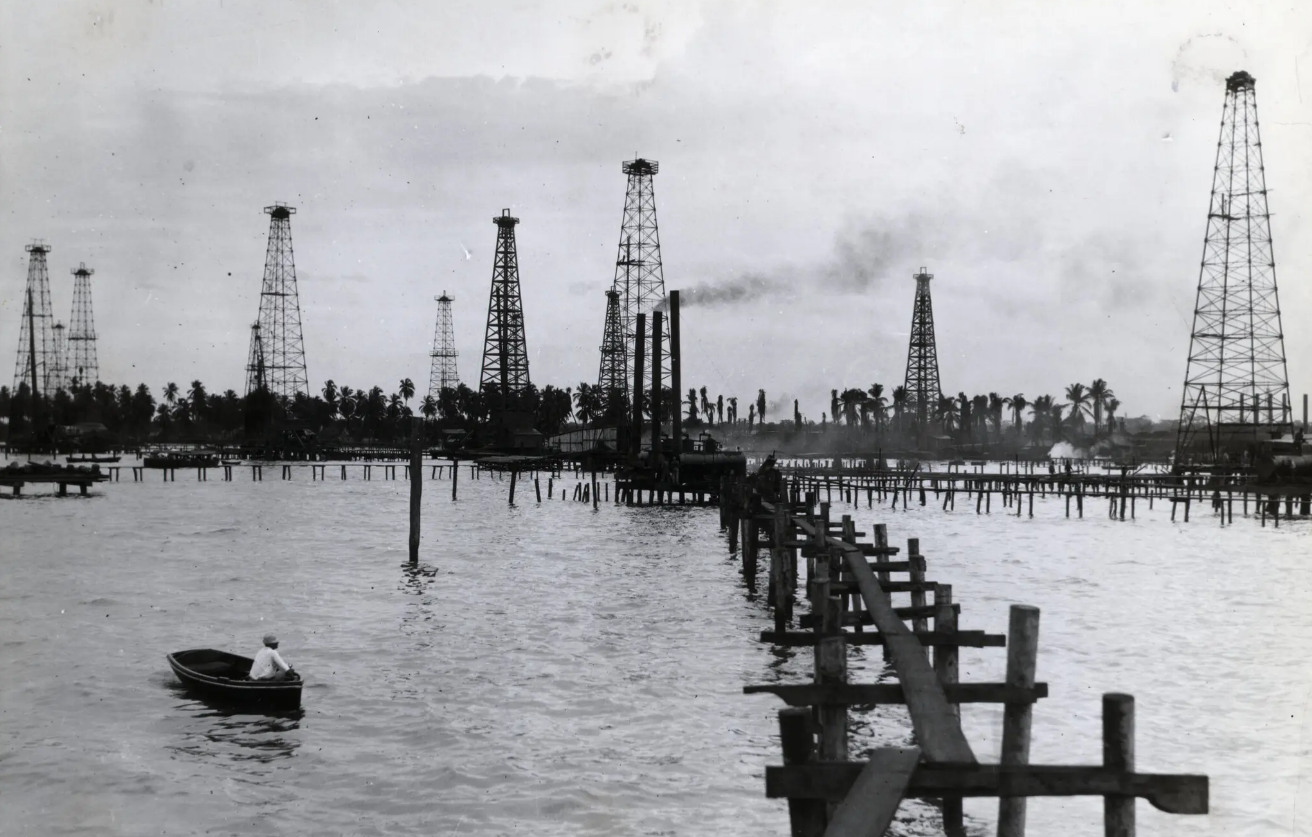
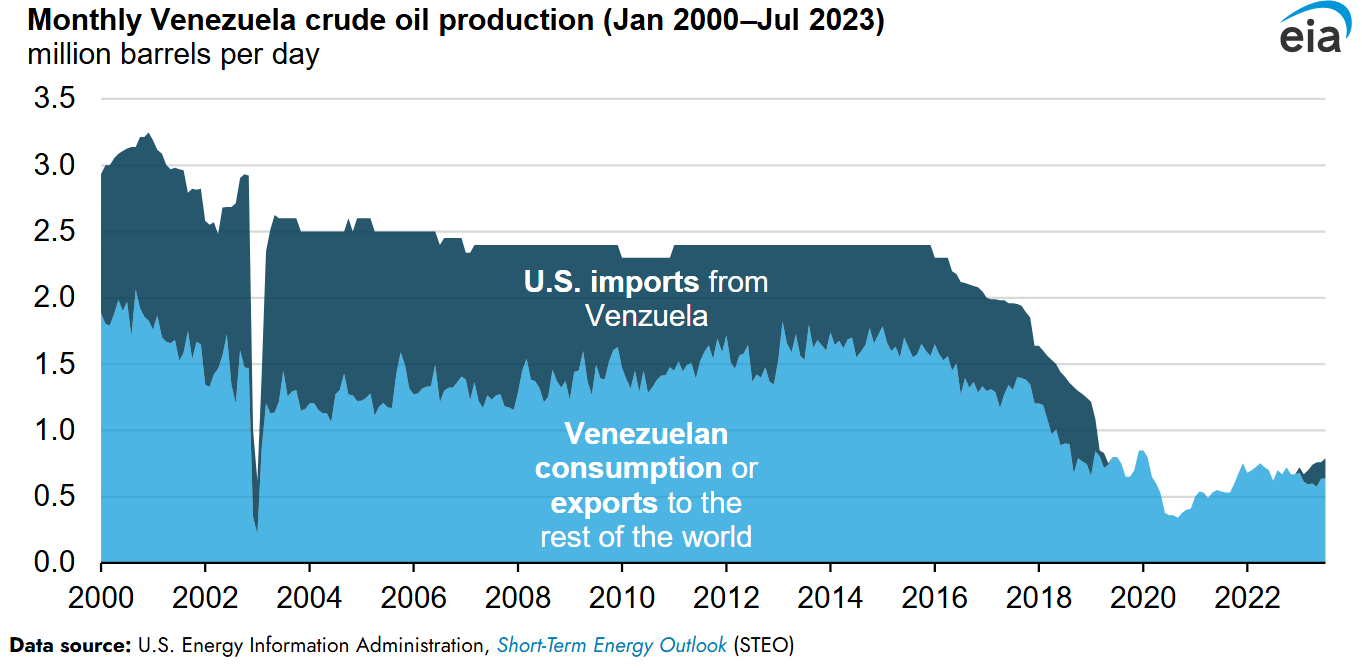
But the wide swings in the global oil markets beginning in 1973 produced boom and bust cycles that were poorly managed by governments and misunderstood by society. Economic collapse began in the 1980s, but was given a respite by new investments in the oil sector in the 1990s which brought production up over 3 million barrels per day (bpd). This rebound produced wealth for the upper classes but never relieved the situation of the rest of society and destroyed the two-party system. By 1998, when Hugo Chavez triumphed in clean, democratic elections, some 2/3 of Venezuelans lived below the poverty line and the country was politically polarized as never before. But the chavistas only deepened the economic, social and political crisis by using the oil boom of 2004-2014 to overspend on unsustainable social programs, increase corruption, break the private sector and destroy both the economy and democracy itself.
It is not surprising that the oil (and natural gas) sector would be significantly damaged along the way. The national oil company (Petroleos de Venezuela, PDVSA) was sacked of resources and human capital, and burdened with debt. Although a number of foreign oil companies continued to partner with PDVSA, effective control of the sector lay in the hands of the chavista governments (under President Nicolás Maduro since 2013) and production fell significantly. The collapse of oil prices beginning in 2014, followed by US sanctions, virtually finished destroying the industry, with production bottoming out at just under 600,000 barrels per day in 2020, and currently around 800,000 bpd. Rebuilding Venezuela’s oil industry will take place within that context and history, even as the administration of President Donald Trump is perhaps ignorant of it.
Most of the discussion concerning recovery centers on the need to attract investment. Reserves of both oil and natural gas are clearly vast and, once the industry has recovered, the costs of extracting oil and natural gas are among the cheapest in the world. Nevertheless, lack of maintenance not just of wells but of the entire supply chain to deliver oil to domestic and foreign markets, departure of skilled personnel, PDVSA debt, legal judgements for US$ billions for improper seizure of private assets and contract violations that are owed to IOCs and service companies, and rampant corruption, all combine to render the cost of rebuilding the industry very uncertain. Estimates have ranged to over US$ 200 billion over a decade or more for a recovery back to 3.5 mbpd and in the tens of billions for a recovery to 1.5 mbpd in the next three years.
Trump announced that major US oil companies were willing to invest heavily and soon in Venezuela before he even spoke with them; now he is pressuring them to make plans to do it. Several major obstacles need to be addressed, however, before the companies will follow through on any commitments Trump may pressure them into declaring. The most important factors are the current oil glut in the market that has driven prices down to under US$60 barrel and is expected to continue for at least another two years; the fact that they have already planned their capital expenditures for the next 2-3 years in profitable and stable ventures in the US and around the globe; uncertainty about US policy after the Trump administration ends in 2028; and the history of contract instability in Venezuela.
The latter is particularly problematic even looking past the next three years. Washington wants to mitigate risk by having contracts that quickly generate significant profits and with legal guarantees that can survive a change in government, which requires either a new Venezuelan government and legal system that is credible vis-à-vis property rights or US legal commitments to compensate companies for illegal action by Venezuelan authorities, criminal or rebel groups, or societal demonstrations. In addition, the Trump administration wants the public sectors in both Venezuela and the US to subsidize the reconstruction through a variety of mechanisms – cheap credit, subsidized access to various parts of the value chain (e.g., pipelines), equity stakes, etc.
These efforts to mitigate the enormous risks of investing in Venezuela at this point confront major political and social challenges that the Trump administration has underplayed, though not ignored. Remaking the legal system and creating a new political system that has legitimacy in the eyes of Venezuelans is a huge task, made even more difficult by President Trump’s insistence that the opening of the oil sector has to favor US oil companies and that the Venezuelan government must accept the priority of US interests.
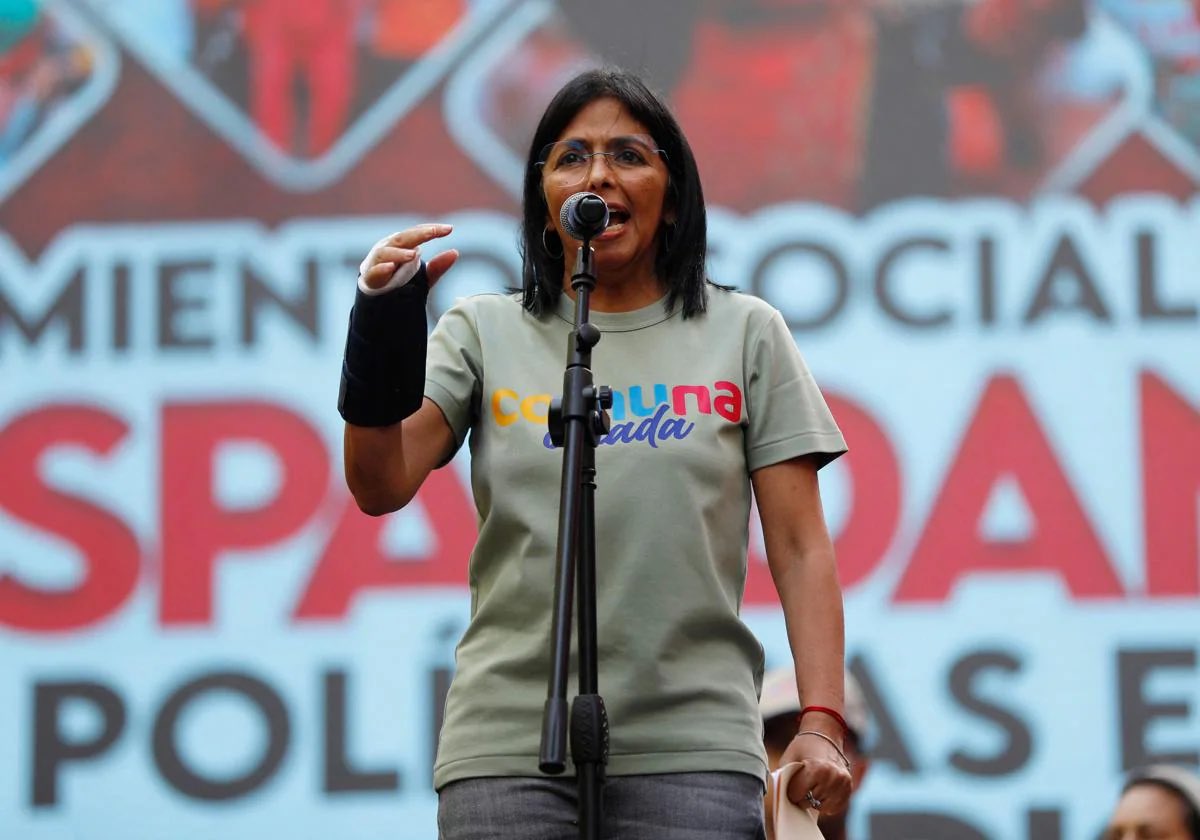
In addition, he has publically declared that US military force will be used against any Venezuelan government that does not accept those terms. Trump understands that a government which makes such promises and passes such legislation is going to be unpopular with the Venezuelan people. This is why he has not discussed any transition to democracy and is willing to work with Delcy Rodriguez and the rest of the Maduro government – they have shown the ability to control the streets, the legislature and the courts.
Venezuela’s opposition forces have been expecting that the fall of Maduro would lead to a transition to democracy, recognition of their victory in the 2024 national elections and future elections which they would win overwhelmingly. US military force got Maduro out, but the chavista government remains and Trump is attempting to make deals with them. He even undercut the leader of the opposition, Maria Corina Machado, saying she could not govern the country. The implication is rather clear: the opposition cannot create a government that could deliver the stability and wealth that Washington is seeking to take out of Venezuela even as its citizens expect a new government to use the regenerated national wealth for the priority of rebuilding their lives from a current poverty rate of over 80% and the paucity of public and social services.
A major problem for this Trump vision is that Venezuelan society is not only dramatically polarized and desperate but also armed. It is not so much the drug gangs that the US claimed were involved with the government, but the vigilante groups known as the collectivos, the militias and the Colombian rebels that freely wander on the Venezuelan side of the border, plus a military whose allegiances are uncertain. The Trump administration clearly does not reject authoritarian rule, but for the US government to side with continued authoritarian rule either by the chavistas or an opposition that trades its desires for democracy and patriotism for a chance to rule, increases the risks for US oil companies. Yes, oil companies often invest in authoritarian countries with horrible human rights records, but they try to distance themselves from outright collaborations and demand returns on their investments commensurate with the risks.
Given Venezuelans desire for democracy and a prosperity they experienced with oil, the risks generated by authoritarian sacking of the country will be significant and thus the oil companies will demand a greater return on investment in Venezuela. Given the current oil market and the significant stable and profitable opportunities in the US, Guyana and elsewhere, Donald Trump and his national security vision of domination and US control of the region’s natural resources will be the chief obstacles to the rebuilding of the Venezuelan oil industry.